Probably the biggest reason I like crocheting so much is because of the yarns. Their textures, colors and feel and the endless ways in which they can be combined is what keeps me hooking late into the night.
I've had a fascination for natural fibers, fabrics and yarns since I was a kid growing up in Italy and it's a fascination that persists even now. Even if I've had nothing particular in mind to make with yarns when I've found them, I've collected them anyway because I like having them.
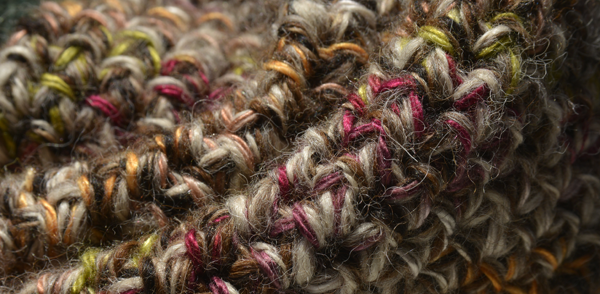
So for the most part, crocheting Pussy Caps is about indulging my love of these natural yarns and fibers that I like looking at and feeling in my hands. The possibilities for combining the yarns are limitless and that's part of the reason why no two caps will ever be the same - it all happens pretty spontaneously and I just go with what I'm seeing and feeling in the moment.
It's the natural fibers that I'm most interested in and like working with and so only occasionally will I use any artificial fibers in Pussy Caps. Handspun yarns are particularly beautiful and I try to use them in the caps as often as possible. The stories behind the yarns are interesting to me as well and the links at the top and bottom of this page will give you an idea of what the yarns in Pussy Caps are made of and where they originated.
I buy handspun yarns from a lot of different people, all of whom are good at what they do. In particular though are some gifted women who provide me with exceptionally beautiful yarns.
Lisa Souza from California, Sandy Ryan from Wisconsin, Marsha Berkemeier from Missouri, Gayle Paige from Oregon and Kristen Worthington from California each in their own unique way create handspun yarns that I really like using in my Pussy Caps. Some of each of their yarns are featured on this page and throughout the catalog pages.
I really like the idea of supporting these artists by buying their yarns and using them in my caps. And too, there's something about handspun yarns that millspun yarns just can't touch.
A welcome addition to my handspun collection of yarns is a silky soft and beautiful llama yarn that Marsha Berkemeier from Missouri spins with fibers from her own llamas or from those on nearby ranches. All of her yarns are in the natural llama colors and are rich and lustrous. You can see some pictures of Marsha's Llamas by clicking on the llama link in the navigation bar.
It was my Grandma Amy that taught me to crochet and you can read a little more about her here.
I use mostly natural animal fibers in Pussy Caps for a number of reasons. The most important reason I guess is because I like the feel of them in my hands and I like the way they look. From an environmental perspective animal fibers are a renewable source of warmth and protection. The farming of most fiber producing animals is far kinder to the environment than the production of fibers from petroleum or those that involve a lot of chemical processing.
From a strictly utilitarian point of view animal fibers are warmer and insulate better than artificial fibers, making them a perfect choice for Pussy Caps. Also, most animal fibers will repel moisture or wick it away rather than retain it. I only rarely use cotton in the caps because it absorbs moisture rather than repelling it. When you're trying to stay warm the last thing you want is moisture trapped in a cap on your head.
The chemical processing involved in the production of cotton for fabric or yarn is also one of the most damaging to the environment and I like the idea of helping out at least a little bit by using the more environmentally friendly animal fibers.
Among the domesticated fiber-producing animals, alpaca and llama seem to be the most planet-friendly of the bunch. They're easy on the terrain, they digest their food with exceptional efficiency, thus needing less of it, and their fibers, which don't have grease or lanolin, need little if any chemical processing to be viable for use in garments.
So yeh, there's a lot of good reasons for me to use natural animal fibers in Pussy Caps. But more than anything else it's about the way these fibers look and feel. Hold a Pussy Cap made from alpaca or cashmere in one of your hands and then hold a beanie cap made from acrylic in the other and I think you'll easily understand where I'm coming from.
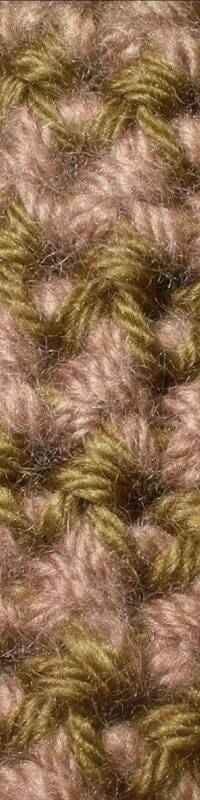
Natural tan Qiviut from Canada with an olive green blend of cashmere & silk from Japan.
A colorful range of millspun and handspun natural animal fibered yarns.
Alpaca in several
of its natural colors.
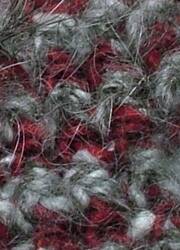
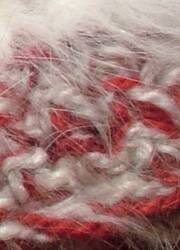
Natural grey angora fur with red hand dyed virgin wool.
Pure handspun angora fur
in natural white and hand dyed red.
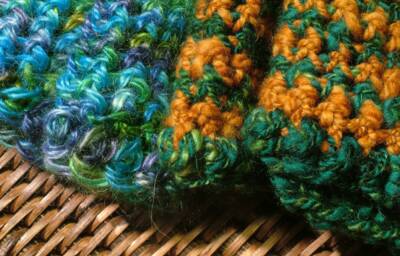
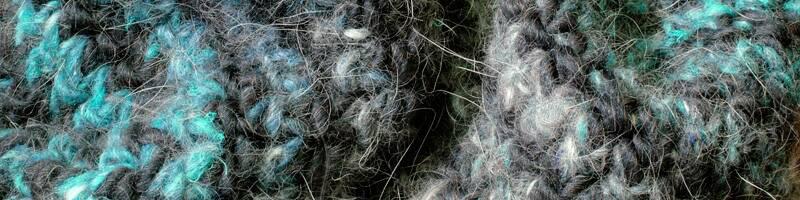
Handspun, handpainted merino wool in shades of blues & periwnkle coupled with a natural dark grey Peruvian alpaca and hints of white Italian mohair.
Handspun, handpainted merino wool from Uruguay in muted blues coupled with a silky millspun black mohair from Italy.
natural tan baby camel down
with a red cashmere & silk blend
handpainted angora fur, merino and natural black llama
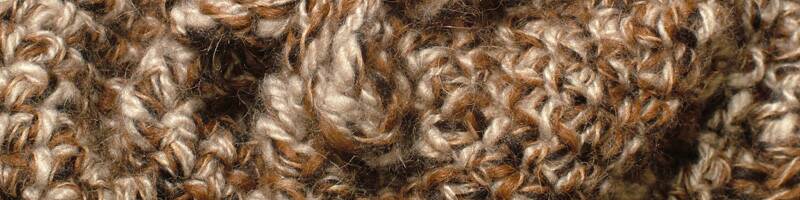
naturally colored alpaca and cashmere
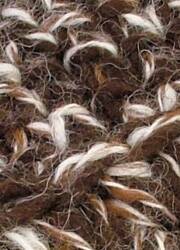
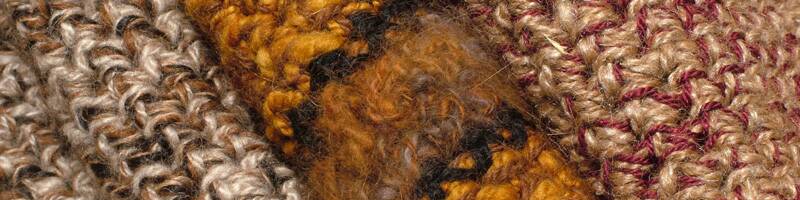
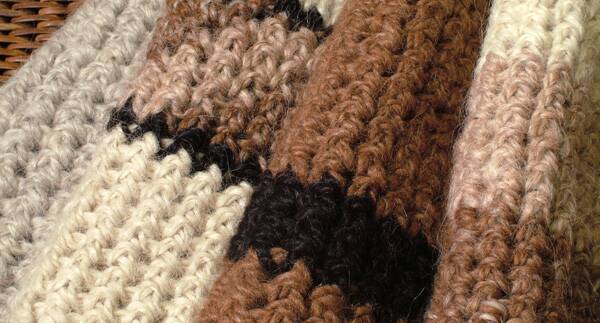
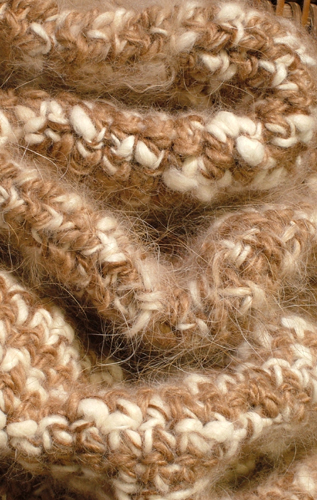
Natural tan handspun cashmere coupled with millspun Peruvian alpaca in natural shades of brown, tan and black.
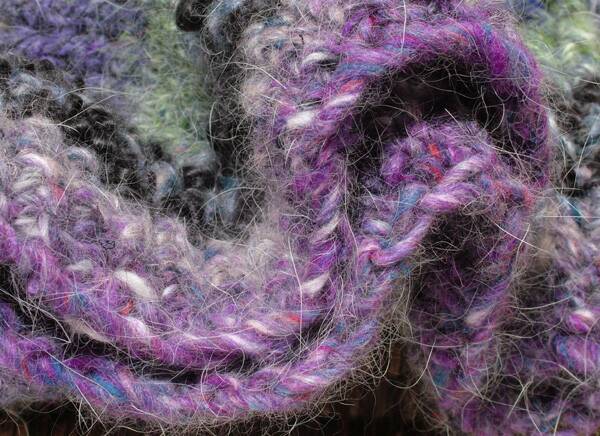
The Noro yarnmakers of Japan create world renowned yarns that are virtually in a class of their own.
Famous for their masterful use of color, Noro does with color what few other commercial mills would ever dare.
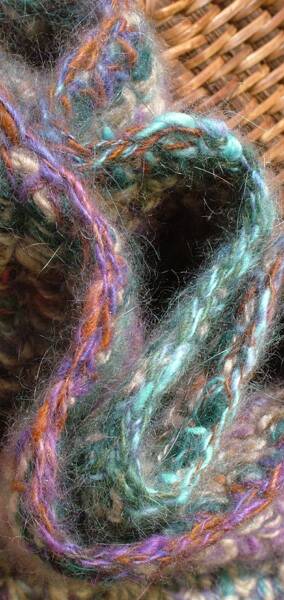
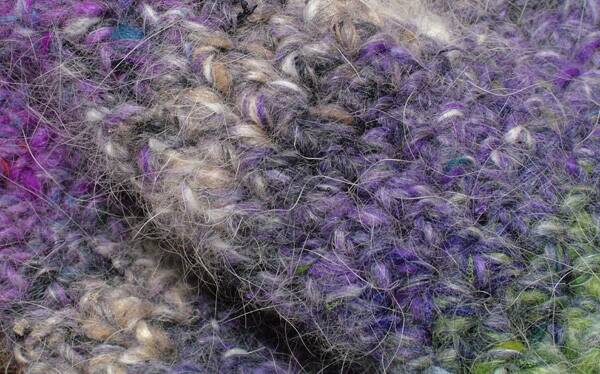
Here they've dyed angora fur, silk & wool fibers in a stunning pallet of purples, lavenders, greens, greys and blues and then spun them altogether into this gorgeous yarn.
The Noro yarnmakers might well be the cat's pajamas of color when it comes to millspun yarns but Lisa Souza is the undisputed bees knees of handpainted, handspun yarns.
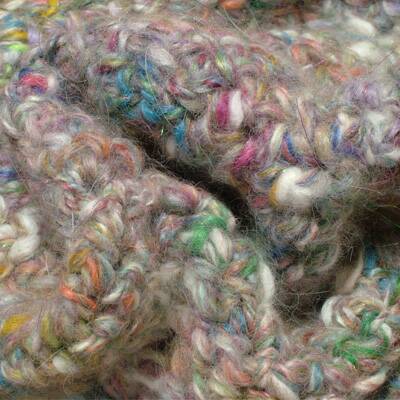
Here's a stunning gem from Lisa's Rare Treasures Collection - a handpainted, handspun pure Mongollian cashmere yarn called Joseph's Coat.
There is simply nothing like a Pussy Cap fashioned from one of Lisa's masterful yarns.
Go ahead, indulge yourself.
Another example of Lisa's breathtaking colorwork is seen here in this pure angora fur that she handpainted in a dazzling array of colors before spinning it into yarn.
Lisa calls this yarn Wild Things and it's coupled in this Pussy Cap with one of her handspun, pure Mongollian cashmeres in its natural tan color.
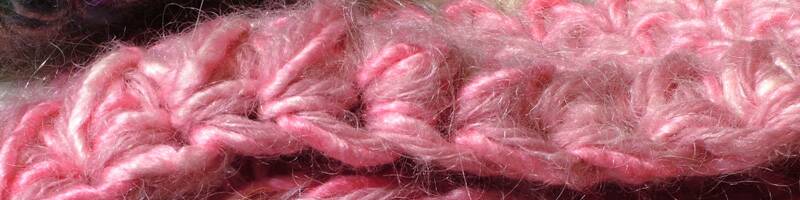
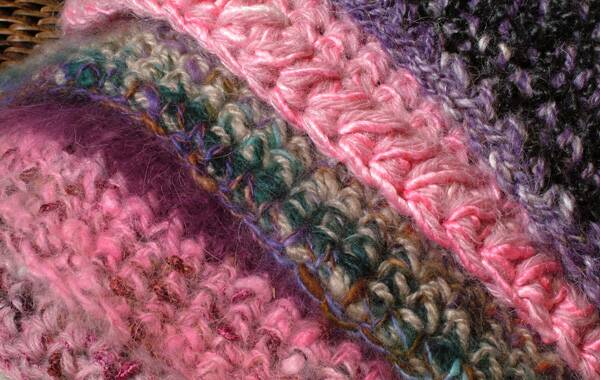
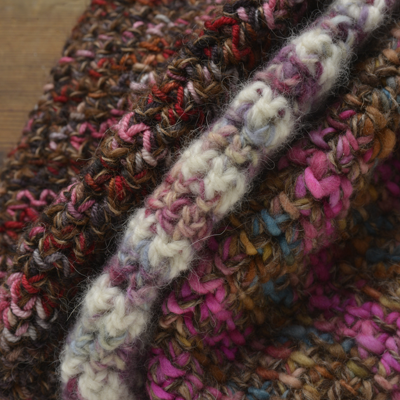
Below is a detail of a cap that I crocheted using Lisa's handpainted Bombyx silk in pink coupled with a perfectly matched millspun virgin wool from Italy.
The yarns...
It's all about the yarns.
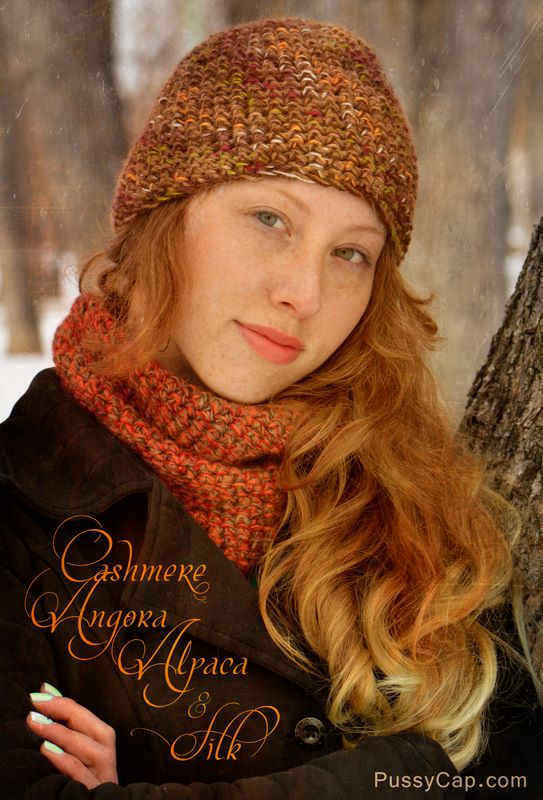
All of the photographs on this page are my work and done with my digital camera using natural overhead lighting from a skylight. Even though I only photograph people professionally I still get a kick out of turning my cameras towards my Pussy Caps once in awhile.
You can read more about my photography and visit some of my online portfolios by clicking on my name in the navigation bar.
More pictures like the ones on this page are here.
I had almost given up on using llama yarn for Pussy Caps since I was having a hard time finding any that was soft enough - but Marsha changed all that with the first skein of shimmering coal black llama she sent to me. And now I'm hooked. The quality of Marsha's handspinning is exceptional and the end result is a yarn that makes for a unique and beautiful Pussy Cap. All of the caps in the picture above were crocheted using Marsha's natural colored handspun llama yarns.
Here's one of Marsha's handspun llama yarns in its natural ivory color. It's joined by handpainted angora fur and a tiny thread of rayon & cotton.
Although I rarely use either cotton or rayon in Pussy Caps, this particular yarn from California was just too hard to resist. In my defense, if it weren't for the little cocoons in it you wouldn't even know it's there.
Now am I redeemed?
A beautiful example of Gayle Paige's handspun yarns is this pure baby alpaca yarn that she handpainted in a broad range of pastels while leaving traces of the natural colored alpaca intact.
The Yarns
For those of you interested in learning more about yarns and fibers and some of the words used when talking about them, I've created an illustrated glossary of terms. It's a work in progress but you can sneak a peek at it here.